
-

-
 Istanbul / Turkey
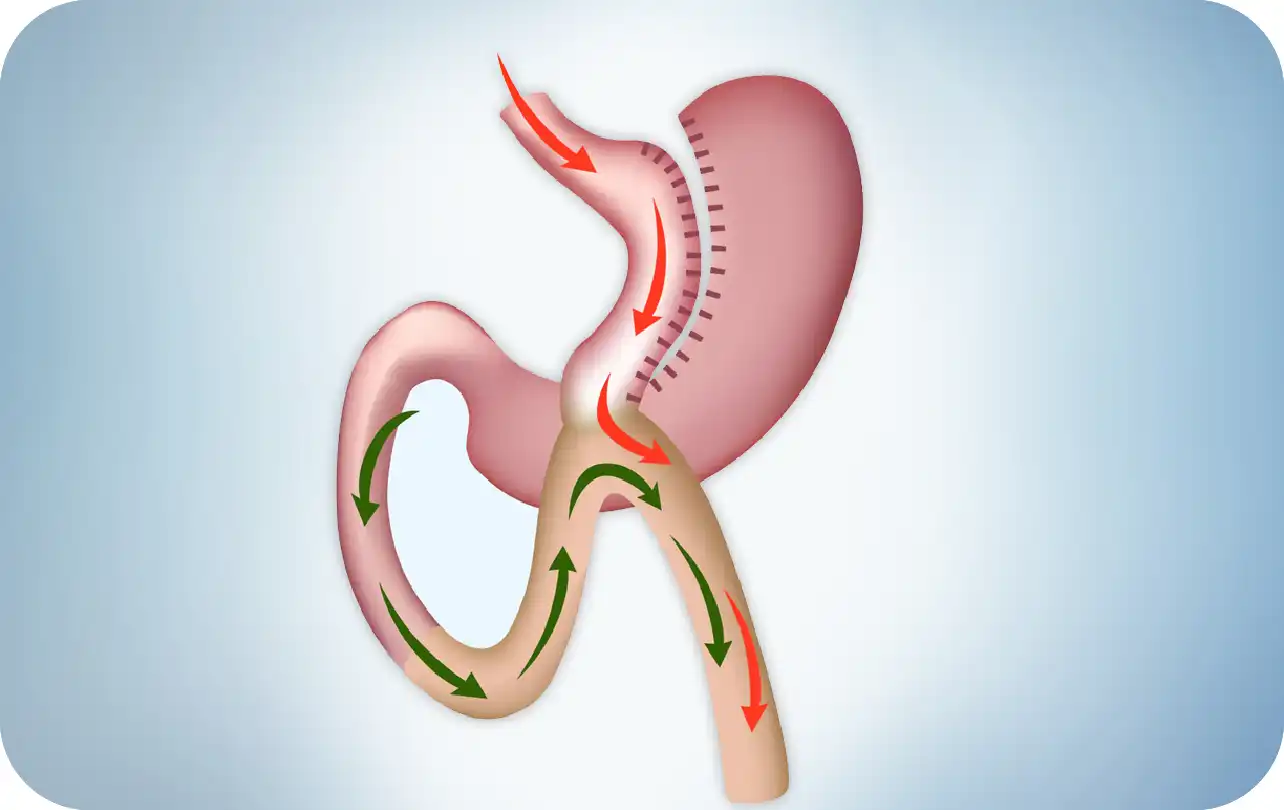
If you are looking for a weight loss procedure that combines the powerful metabolic results of a traditional bypass with a shorter operative time and a simplified surgical approach, the Mini Gastric Bypass (MGB)—also known as the One-Anastomosis Gastric Bypass (OAGB)—is an exceptional choice.
At Visit Plus Care, we have seen the Mini Gastric Bypass change the lives of thousands of international patients. It is rapidly becoming the preferred choice for those with a high Body Mass Index (BMI) or those who have struggled with weight regain after other procedures. In Turkey, our surgeons are pioneers in this specific technique, offering you a path to health that is efficient, safe, and highly effective.
Developed as a simplified alternative to the classic Roux-en-Y Gastric Bypass, the Mini Gastric Bypass is a potent weight loss surgery that utilizes both restriction and malabsorption.
Despite the name "Mini," the weight loss results are often even more significant than those of the traditional bypass. The "Mini" refers to the simplified surgical technique, not a reduced impact on your health.
The procedure is performed laparoscopically (through small, 5-12mm incisions) and involves two main steps:
The Long Gastric Pouch: The surgeon creates a long, narrow tube-shaped pouch from the upper part of the stomach. This pouch is larger than the one created in a classic bypass but much smaller than your original stomach. This limits the amount of food you can consume comfortably.
The Single Connection (Anastomosis): A loop of the small intestine is brought up and connected directly to the new stomach pouch. This "bypasses" approximately 150 to 200 cm of the small intestine where most calories and fats are absorbed.
Because there is only one connection (unlike the two required in a classic bypass), the surgery is faster, and the risk of long-term complications like internal hernias is significantly reduced.
In the hands of an expert, the Mini Gastric Bypass is a masterpiece of metabolic engineering. Here is why patients from the UK, Europe, and the Middle East trust Visit Plus Care:
Our surgeons can typically complete a Mini Gastric Bypass in 45 to 60 minutes. Shorter anesthesia time means a lower risk of respiratory complications and a faster "wake-up" period for the patient.
The MGB is particularly famous for its success in treating Type 2 Diabetes. Because it creates a longer bypass of the small intestine than the traditional RYGB, it triggers a massive release of gut hormones that regulate blood sugar, often leading to immediate remission of diabetic symptoms.
With only one anastomosis (connection), there are fewer points where a leak or blockage could occur. Our surgeons use the latest Tri-Staple technology, ensuring that the connection between the stomach and intestine is secure and reinforced.
Patients undergoing MGB typically lose 75% to 85% of their excess body weight within the first year. Because the malabsorptive element is so strong, it is highly effective for "big eaters" who struggle with portion control.
While all bariatric surgeries should be considered permanent, the Mini Gastric Bypass is technically easier to reverse or revise than the classic Roux-en-Y. This provides an extra layer of "future-proofing" for our patients.
Beyond the scale, MGB helps resolve:
Severe Hypertension: Most patients stop blood pressure medication within months.
Polycystic Ovary Syndrome (PCOS): Restoration of regular cycles and improved fertility.
Hyperlipidemia: A dramatic drop in "bad" cholesterol and triglycerides.
The MGB is a powerful tool, but it is not for everyone. Our medical board usually recommends it for:
Higher BMI Patients: Individuals with a BMI over 45 often find the MGB more effective than the Gastric Sleeve.
Uncontrolled Diabetics: Those who need a strong metabolic "reset."
Weight Regain Patients: If you had a previous Gastric Sleeve and have regained weight, the MGB is an excellent "revision" option.
Note: If you have severe, chronic Acid Reflux (GERD), our surgeons may recommend the Classic Roux-en-Y Bypass instead, as the MGB can sometimes aggravate bile reflux.
When you arrive in Turkey, you undergo a "Bariatric Check-up" that is more thorough than many Western hospitals. This includes:
Full blood work and vitamin profiling.
Abdominal ultrasound and ECG.
Endoscopy (to check the health of your stomach lining).
Consultation with an internal medicine specialist and anesthesiologist.
You will be admitted to one of our JCI-accredited hospitals. The procedure is performed using High-Definition Laparoscopy, which allows for extreme precision. You will be encouraged to walk just 4 hours after surgery to promote circulation.
You will stay in the hospital for 3 nights. Once discharged, you will spend another 3-4 days in our partner 5-star hotel in Istanbul. During this time, our medical team visits you for follow-up checks, ensuring you are hydrating well and managing your vitamin intake.
The MGB requires a commitment to a new way of eating. Because your body will absorb fewer nutrients, Visit Plus Care provides you with a 12-month nutrition roadmap:
The First Month: A strict progression from clear liquids to purees.
Lifelong Supplementation: Due to the malabsorptive nature of MGB, taking high-quality bariatric vitamins (Multivitamins, Iron, Calcium, and B12) is non-negotiable.
Protein Focus: To protect your muscle mass while the fat melts away, we guide you on how to reach 60-80g of protein daily.
Feature | Mini Gastric Bypass (MGB) | Classic Bypass (RYGB) |
Number of Connections | 1 (Single) | 2 (Double) |
Operating Time | 45-60 Minutes | 90-120 Minutes |
Weight Loss | Slightly Higher | High |
Internal Hernia Risk | Very Low | Moderate |
Bile Reflux Risk | Possible | Very Low |
Diabetes Remission | Excellent | Very Good |
Is the Mini Gastric Bypass safe? Yes. Peer-reviewed medical journals have published long-term studies showing that the MGB has a safety profile equal to or better than the classic bypass, with lower complication rates in terms of bowel obstructions.
How long do I need to stay in Turkey? We require a 7-day stay in total. This ensures we can monitor you through the most critical first week of recovery before you fly home.
Can I drink coffee or alcohol after surgery? We recommend avoiding caffeine for the first month and alcohol for at least 6 to 12 months. After surgery, your tolerance for alcohol will be significantly lower, and it can lead to "transfer addiction" or weight regain.
The Mini Gastric Bypass is the "Formula 1" of bariatric surgery—fast, powerful, and highly efficient. When you choose Visit Plus Care, you aren't just getting an operation; you are gaining a dedicated team of surgeons, dietitians, and patient coordinators who are committed to your success.
Turkey is a world leader in this specific procedure, and we are proud to offer it at a price that makes health accessible to everyone.
Are you ready to see if the Mini Gastric Bypass is your best path forward? Contact us today for a free, confidential medical consultation.
Bariatric & Metabolic Surgery, Gastroenterological Surgery
Bariatric & Metabolic Surgery, General Surgery